Skip to content





Data Migration Strategy for PLM: A Step-by-Step Plan
What is Product Lifecycle Management (PLM), and why does it matter? Whether you're in engineering, manufacturing, or simply drowning in product data, PLM is the game-changer you need. It connects every stage of product development—from design to disposal—ensuring teams work with accurate data, streamline workflows, and avoid costly mistakes. In this beginner’s guide, we break down how PLM solves common challenges like data silos, version control issues, and collaboration bottlenecks. Ready to simplify your product development process? Let’s dive in.
Top Down or Bottom Up Approach? What is the Best Design Approach?
PTC is expanding its collaboration with NVIDIA by integrating Omniverse technologies into Creo and Windchill. This move brings real-time simulation and immersive design capabilities to AI infrastructure development—helping teams work faster, smarter, and more collaboratively.
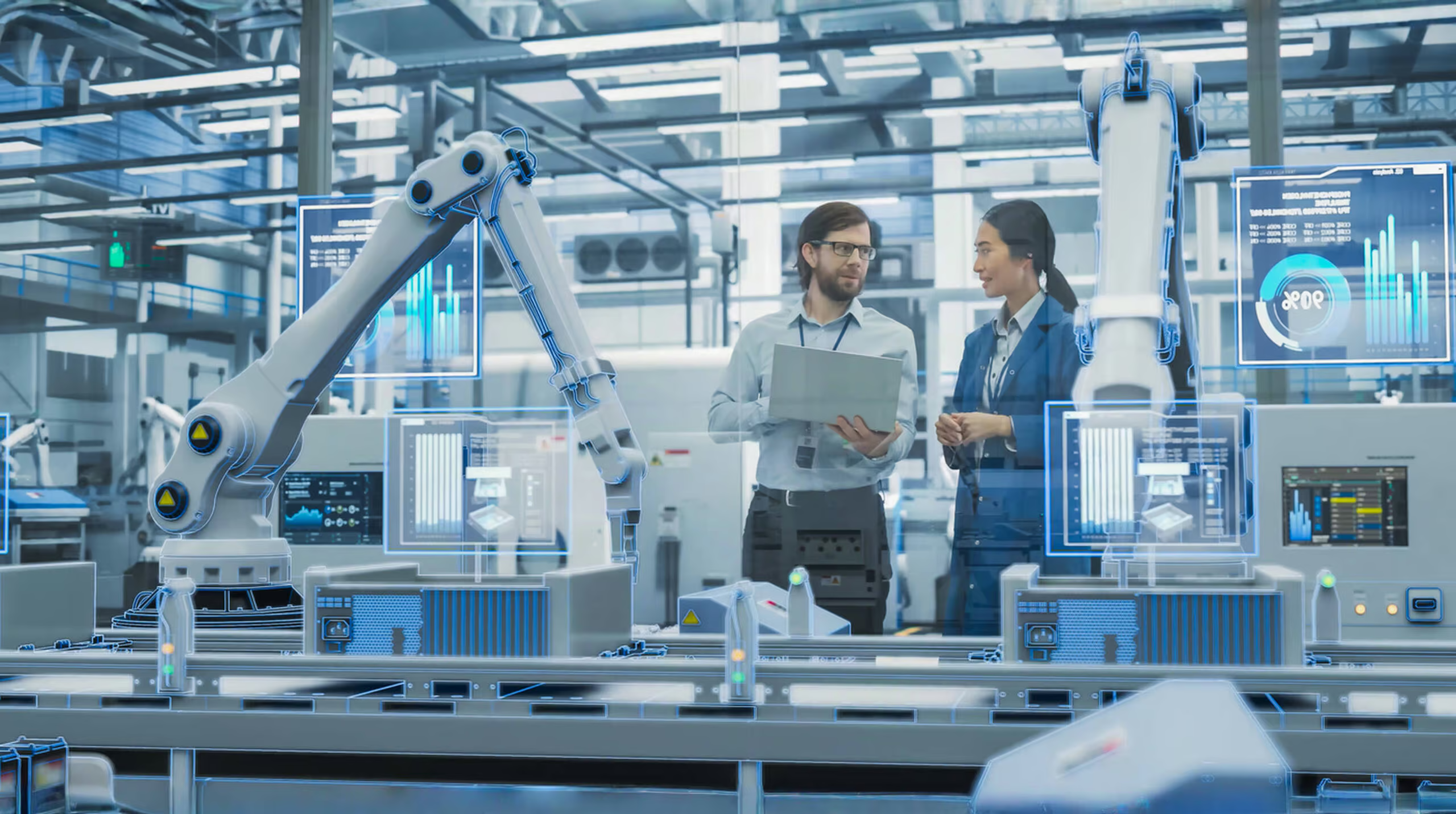
How Digital Twin Technology Is Shaping the Future of Manufacturing
PTC is expanding its collaboration with NVIDIA by integrating Omniverse technologies into Creo and Windchill. This move brings real-time simulation and immersive design capabilities to AI infrastructure development—helping teams work faster, smarter, and more collaboratively.

ALM & PLM: Better Together – Unlock the 5 Key Drivers of ALM-PLM Success
Discover the top five ways ALM and PLM integration boosts collaboration, agility, quality, and governance in product development. Download the free e-book to see how leading teams are advancing their lifecycle maturity.
Understanding the Difference between PDM and PLM
PTC is expanding its collaboration with NVIDIA by integrating Omniverse technologies into Creo and Windchill. This move brings real-time simulation and immersive design capabilities to AI infrastructure development—helping teams work faster, smarter, and more collaboratively.